
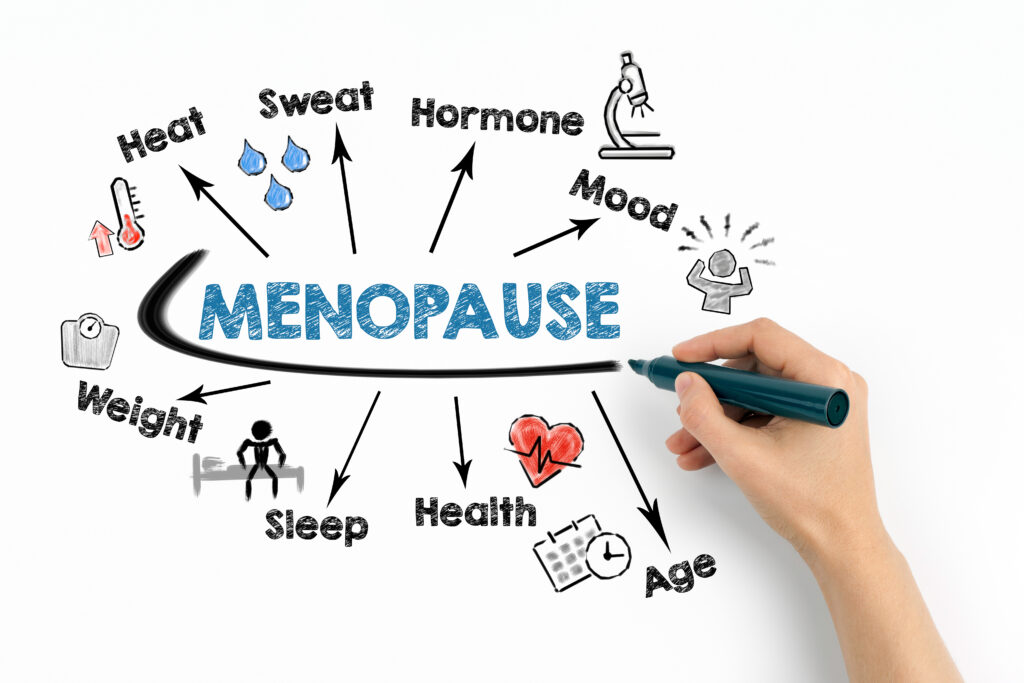
Menopause is a natural biological transition that marks the end of menstrual cycles, typically occurring around the age of 50. While it is often discussed in terms of hormonal changes, menopause can influence many areas of a woman’s life, including physical health, emotional well-being, relationships, and sexuality.
For many women, this stage of life raises questions about libido, intimacy, and changes in sexual health. Understanding these changes can help women feel more prepared and supported during the menopausal transition.
Research exploring women’s personal experiences with menopause shows that this period can vary widely from person to person. Some women experience minimal disruption, while others face significant physical and emotional symptoms that affect their daily lives and relationships.
Menopause and libido are closely connected because hormonal changes can influence sexual desire and arousal. As estrogen and testosterone levels decline, some women experience reduced libido, vaginal dryness, or discomfort during intercourse. However, libido during menopause varies widely. Some women notice little change in sexual desire, while others experience increased confidence and satisfaction due to the absence of pregnancy concerns and greater emotional maturity.
What Is Menopause?
Menopause is medically defined as the absence of menstrual periods for 12 consecutive months. It occurs when the ovaries gradually stop producing hormones such as estrogen, progesterone, and testosterone.
These hormonal shifts trigger a variety of physical and emotional changes that can begin during perimenopause and continue for several years afterward.
Women today may live more than one-third of their lives after menopause, making it an important stage of health and well-being. One can even say that a woman doesn’t stop being in Menopause, rather her symptoms change.
Common Symptoms of Menopause
Menopause symptoms vary widely, but many women experience a combination of physical and psychological changes.
Physical Symptoms
Common physical symptoms include:
- Hot flashes and night sweats
- Weight gain or changes in body composition
- Vaginal dryness
- Joint or muscle pain
- Skin and hair changes
- Sleep disturbances
Some women also experience genitourinary symptoms, such as vaginal discomfort or dryness, which can directly affect sexual comfort and intimacy. Genitourinary Syndrome of Menopause can make sex painful.
Emotional and Psychological Symptoms
Menopause may also bring emotional changes, including:
- Mood swings
- Anxiety
- Depression
- Fatigue
- Irritability
These emotional symptoms often occur alongside other life transitions, such as career changes, children leaving home, or shifts in long-term relationships.
Why Every Menopause Experience Is Different
One of the most important findings from menopause research is that no two experiences are exactly the same.
Some women report severe symptoms lasting several years, while others experience only mild discomfort or no major symptoms at all.
Several factors influence how menopause is experienced, including:
- Hormonal changes
- Overall physical health
- Emotional resilience
- Stress and life circumstances
- Relationship quality
- Social support systems
Menopause often coincides with other major life transitions such as becoming an empty nester or supporting aging parents. These overlapping changes can shape how women interpret and manage menopause symptoms.
Menopause and Sexuality: What Changes to Expect
Sexual health is one of the most common concerns women have during menopause. Many women wonder whether menopause will affect their libido, comfort during intimacy, or overall sexual satisfaction.
Research suggests that menopause can influence sexuality in several ways, although the degree of change varies greatly among individuals.
Physical Changes That Affect Intimacy
Hormonal changes may cause vaginal dryness and thinning of vaginal tissue, sometimes called genitourinary syndrome of menopause.
These changes can lead to:
- Pain during intercourse
- Reduced natural lubrication
- Increased sensitivity or discomfort
Because of this, some women may feel hesitant about sexual activity or require additional lubrication or longer foreplay for comfort. Assistance from a doctor or sex therapist may help to relieve these symptoms.
Fatigue, joint pain, and sleep problems can also reduce energy levels and interest in sexual activity.
Emotional and Psychological Influences
Sexual desire is influenced by more than hormones. Emotional well-being and body image can also play an important role. There can seem to be many more reasons not to participate in intimacy than before.
Some women report feeling less confident about their bodies due to physical changes such as weight gain or aging. Others experience stress, mood changes, or fatigue that can affect libido.
Menopause can also create a sense of loss of control over the body, which may influence sexual confidence and intimacy. Some women find that what used to be pleasurable isn’t anymore. They may need to learn what is arousing to them again.
How Relationships Influence Sexuality During Menopause
Relationship dynamics are a major factor in sexual well-being during menopause.
Women in long-term partnerships sometimes report challenges if their partners do not fully understand menopause symptoms. It is important for partners to educate themselves on what happens during Menopause. The M Factor is a great documentary about what happens during menopause. Differences in sexual expectations can also emerge.
For example, some women report preferring:
- More foreplay
- Different forms of intimacy
- Less penetration
- Greater emotional connection
If these preferences are not openly discussed, misunderstandings can occur within relationships. Sexual communication is essential and can be hard to start when it hasn’t been part of the relationship in the past.
Supportive partners and open communication can help couples adapt to these changes and maintain fulfilling intimacy.
Libido After Menopause: Does It Always Decrease?
A common misconception is that menopause always leads to a loss of sexual desire. In reality, libido changes are highly variable.
Studies show that women may experience:
- Decreased sexual desire
- No change in libido
- Increased sexual desire
Some women even report feeling more sexually confident after menopause because concerns about pregnancy and menstruation disappear. Others describe changes in sexual interests or fantasies, indicating that sexual desire may evolve rather than simply decline. Women and couples can benefit from exploring sexual interests and strategies to experience pleasure. OMG YES is an evidence-based resource to educate women and male partners about their bodies. It has specific strategies that can be tried in the bedroom to explore what might be pleasurable or arousing.
Why Many Women Feel Alone During Menopause
Despite being a universal biological process, menopause is still often treated as a taboo topic. It isn’t talked about among peers or in many doctor’s offices. Many women report feeling isolated during this transition and unsure where to seek guidance or reassurance. In some cases, even healthcare professionals may not fully address menopausal concerns.
Interestingly, research shows that women often rely on conversations with close female friends for support during menopause. These shared experiences can reduce feelings of isolation and normalize the changes they are experiencing. It is important to start the conversation among peers. It may be surprising to hear how much a friend wanted to talk about it.
When to Seek Medical Support
Women experiencing severe symptoms or significant changes in sexual health should consider discussing their concerns with a healthcare professional.
Treatment options may include:
- Hormone therapy
- Vaginal moisturizers or lubricants
- Lifestyle changes
- Counseling or relationship therapy
- Sex Therapy
Healthcare providers can also help identify women who may be at higher risk of experiencing negative menopausal symptoms due to stress, lack of support, or complex life circumstances. Therapists and sex therapists can help with navigating the emotional, relational, cognitive, and sexual challenges during Menopause.
Supporting Sexual Health and Well-Being After Menopause
Maintaining sexual health during and after menopause is possible with the right knowledge and support.
Helpful strategies include:
- Open communication with partners
- Learning about physical changes in the body
- Seeking medical or therapist support when symptoms interfere with daily life
- Prioritizing emotional and mental well-being
- Connecting with supportive communities
Menopause is not the end of sexuality or intimacy. Instead, it can represent a new phase of self-understanding and relationship growth. Allowing oneself to explore and embrace oneself can allow for a new journey to start.
Final Thoughts
Menopause is a complex and deeply personal transition that affects women in different ways. Physical symptoms, emotional changes, social circumstances, and relationship dynamics all influence how women experience this stage of life.
While menopause can bring challenges, it can also offer opportunities for growth, self-awareness, and evolving intimacy.
With better awareness, open communication, and supportive healthcare, women can navigate menopause with confidence and maintain fulfilling relationships and sexual well-being.
Quick Answer: How Does Menopause Affect Sexuality?
Menopause can affect sexuality through hormonal, physical, and emotional changes. Declining estrogen levels may lead to vaginal dryness, discomfort during intercourse, and reduced libido. However, the impact varies widely among women. Some experience decreased sexual desire, while others report no change or even increased sexual confidence due to the absence of pregnancy concerns and menstrual cycles.
What Happens to Libido During Menopause?
Sexual desire during menopause can change in different ways depending on physical symptoms, emotional well-being, and relationship factors.
Common libido changes during menopause include:
- Decreased libido due to hormonal shifts and fatigue
- No change in sexual desire for many women
- Increased libido in some women due to fewer reproductive concerns
- Changes in sexual preferences, including greater emphasis on intimacy or foreplay
Research shows that menopause may change sexual desire both quantitatively (how often desire occurs) and qualitatively (how women experience or express desire).
What Are the Most Common Sexual Symptoms of Menopause?
Many women experience physical changes that influence intimacy during menopause.
Common sexual symptoms include:
- Vaginal dryness
- Pain during intercourse
- Reduced lubrication
- Decreased arousal
- Lower sexual desire
These symptoms are often related to declining estrogen levels and genitourinary changes that occur during menopause.
Can Sex Improve After Menopause?
Yes. Some women report that their sex lives improve after menopause.
Possible reasons include:
- No fear of unintended pregnancy
- No menstrual cycle interruptions
- Greater emotional maturity and communication
- More focus on intimacy and pleasure
For some couples, menopause can encourage open conversations about sexual needs and lead to new forms of intimacy.
Why Does Sex Sometimes Hurt After Menopause?
Pain during intercourse after menopause is often caused by vaginal dryness and thinning vaginal tissue due to reduced estrogen levels.
This condition, sometimes called Genitourinary Syndrome of Menopause, can lead to:
- Less natural lubrication
- Increased vaginal sensitivity
- Discomfort during penetration
Many women find relief through lubricants, moisturizers, or medical treatments recommended by healthcare providers.
How Long Do Sexual Changes Last After Menopause?
Sexual changes during menopause can last for several years, but their duration and intensity vary widely.
Some women experience temporary changes during the menopausal transition, while others notice longer-term shifts in libido or sexual comfort. Lifestyle adjustments, medical support, and relationship communication often help improve sexual well-being over time. OMG Yes is a great resource to explore one’s body, especially if it feels different or even new. Some women feel like what was pleasurable in the past isn’t anymore. OMG YES is a research-based site that educates about strategies to stimulate pleasure.
When Should You Talk to a Doctor About Menopause and Sexual Health?
You should consider speaking with a healthcare professional or therapist if menopause symptoms:
- Causes persistent pain during sex
- Significantly reduce sexual desire or intimacy
- Affect your emotional well-being or relationship
- Interfere with daily quality of life
Healthcare providers can recommend treatments such as hormone therapy, vaginal treatments, or counseling to improve sexual health and overall well-being during menopause.
Key Takeaways
- Menopause affects sexuality differently for every woman.
- Hormonal changes may influence libido, comfort, and intimacy.
- Emotional well-being and relationship quality also play a major role.
- Some women experience decreased desire, while others report stable or increased libido.
- Medical support and open communication can help maintain a healthy sex life after menopause.